

Best Window Film For Heat Reduction In Chattanooga
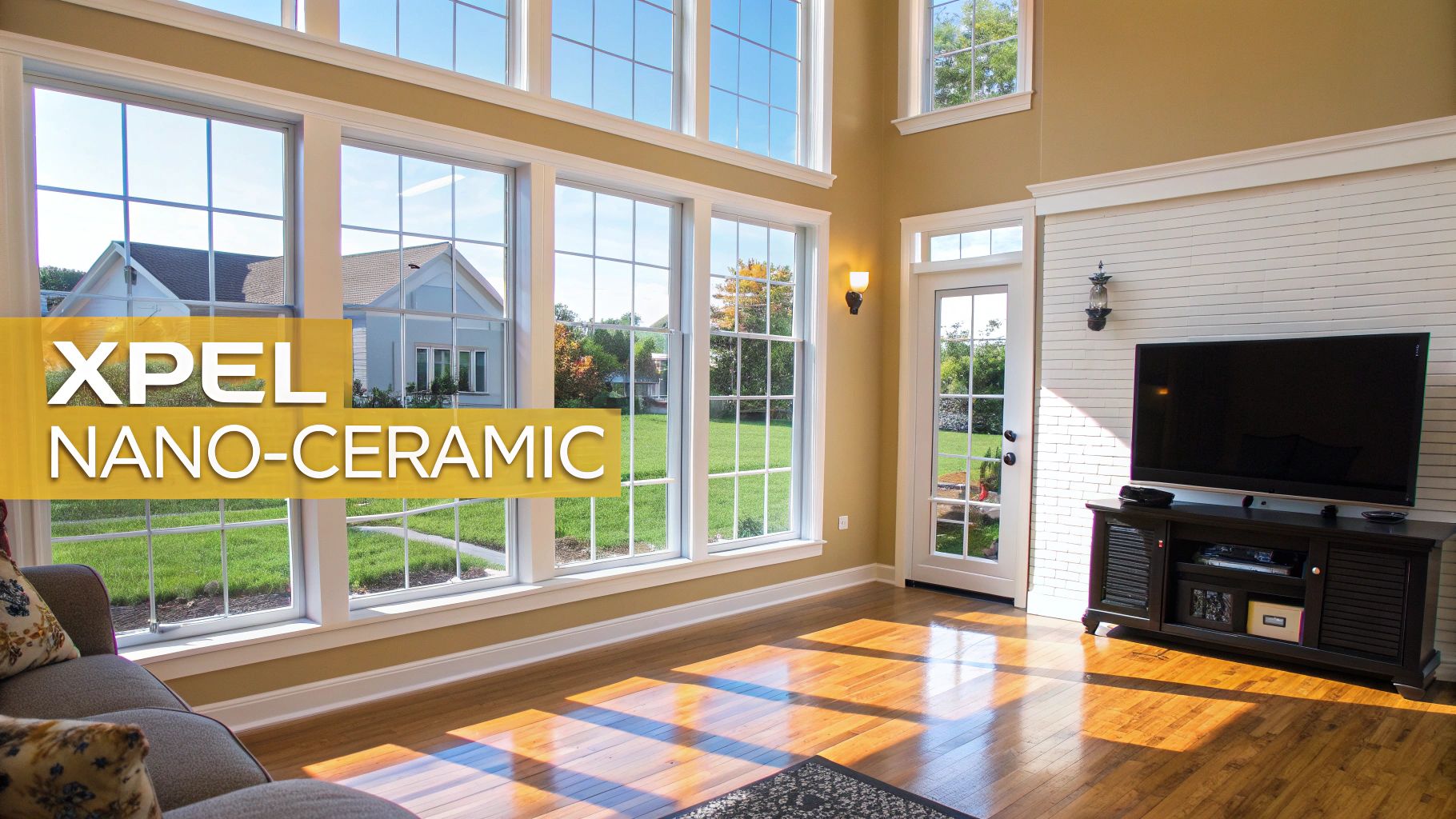
Solar Sentinel exclusively services residential and commercial window film installations; we do NOT provide automotive window tinting. Serving a 45–60 mile radius around Chattanooga, TN, our top recommendation for cutting heat and retaining warmth is XPEL Nano-Ceramic Film. It pairs 93% infrared rejection with balanced visible light transmittance, helping you slash cooling costs in summer and hold onto interior warmth during winter.
Below is a glance at how leading window films perform on critical heat-blocking metrics.
Quick Comparison Of Top Heat Reduction Films
| Film Type | IR Rejection | Visible Light Transmittance | Solar Heat Gain Coefficient | UV Rejection |
|---|---|---|---|---|
| XPEL Nano-Ceramic | 93% | 40% | 0.22 | 99% |
| Low-E Film | 70% | 50% | 0.35 | 99% |
| Standard Sun Control | 55% | 30% | 0.45 | 95% |
This snapshot makes it clear: if you want maximum heat rejection with natural light retention, nano-ceramic leads the pack.
“A balanced film like XPEL Nano-Ceramic reduces energy bills by up to 40% year-round,” says a local installer.
Key Benefits
-
Efficient IR Rejection and Winter Warmth
Blocks up to 93% of infrared waves in summer and traps interior heat on cold days. -
Natural Light Retention
With 40% VLT, living rooms and storefronts stay bright without excessive glare. -
UV Protection and Fade Control
Shields furniture and merchandise by rejecting 99% of harmful UV rays. -
Condensation Reduction and Insulation
Improves thermal performance, reducing window frost and drafts to keep interiors cozy.
Why Compare These Film Types
Every project has its own priorities. Low-E films strike a balance between clarity and heat control, while standard sun-control options cost less but sacrifice more light.
Solar Heat Gain Coefficient (SHGC) determines how much warmth you hold in winter. A lower SHGC means your furnace runs less often.
Visible Light Transmittance (VLT) shapes the feel of any interior. Retail spaces often lean toward higher VLT, while private residences might prefer a darker tint.
Installation And Warranty Considerations
Solar Sentinel serves a 45–60 mile radius around Chattanooga with factory-certified installers. You’ll get a free consultation, precision installation, and a robust warranty that covers performance year after year—even through freeze–thaw cycles. Seal integrity and edge adhesion help prevent cold-season bubbling and drafts.
Schedule a winter assessment today to see potential energy savings and improved comfort. Guaranteed service.
Understanding Window Film Types
Chattanooga’s climate swings from muggy summers to crisp winters. Picking the right window film means finding a balance: keep the heat out when it’s blazing, yet hold onto warmth on frosty nights.
Local homeowners and businesses—within about a 45–60 mile radius—typically choose among three broad categories: sun-control, low-emissivity (low-E), and nano-ceramic films. Each one handles infrared (IR), visible light, and emissivity a bit differently.
Sun Control Films
Sun-control films are the classic choice when cost and performance must meet in the middle. They come in two main varieties:
- Metalized Coatings: Ultra-thin metallic layers bounce back up to 60% of infrared radiation, sending heat straight outside.
- Dyed Films: Organic dyes soak up IR energy and re-emit it as harmless, longer-wavelength light. They cut glare effectively but tend to fade after 5–7 years under strong sun.
Ideal For
- Budget-minded projects
- Glare reduction in living rooms or storefronts
- Situations where winter heat retention isn’t critical
Low Emissivity Films
Low-E films feature microscopic metal layers designed to reflect both incoming and outgoing radiant heat. They’re your go-to for year-round energy savings.
- Reflects up to 70% of infrared heat
- Traps interior warmth on cold nights
- Lasts longer without fading
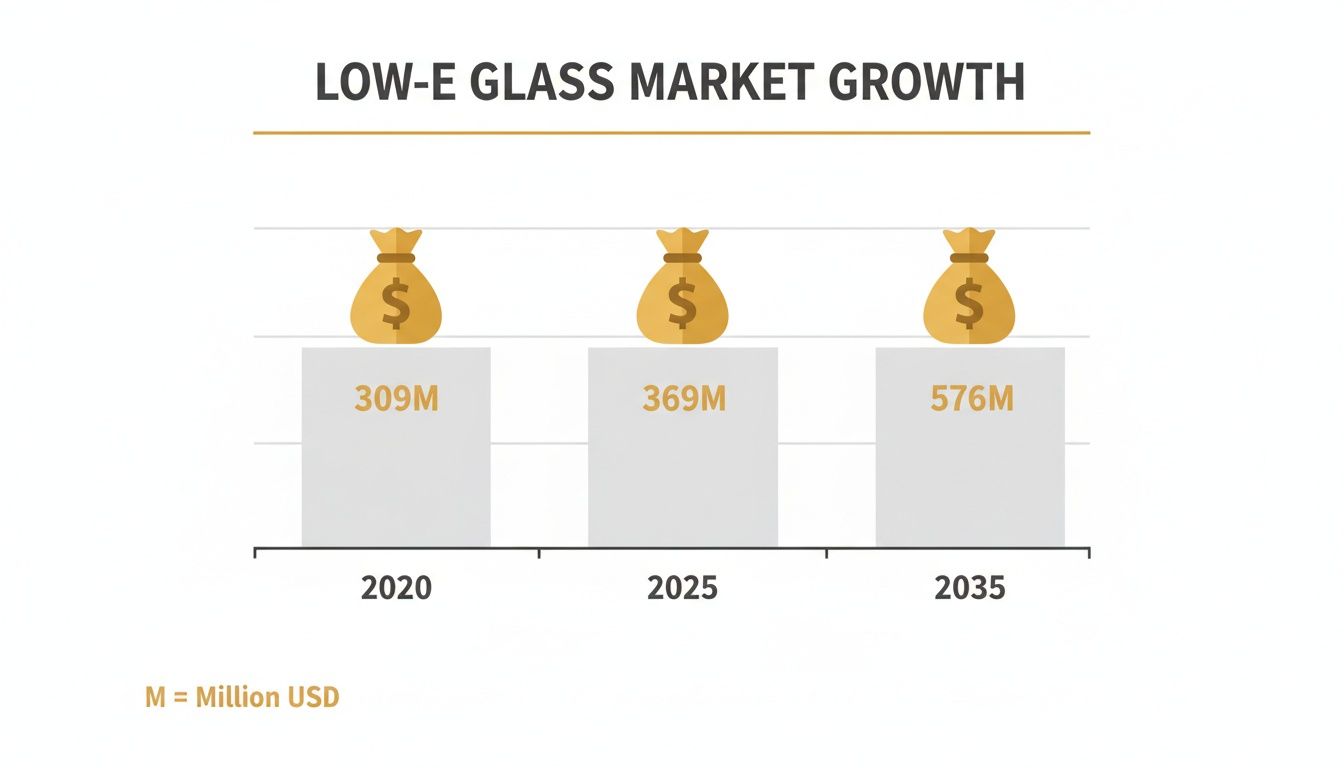
Market analysts forecast the low-E film market growing from USD 368.8 million in 2025 to USD 576.0 million by 2035 (4.6% CAGR). Simulations show these coatings can save 257.6 MJ per square meter each year, cutting HVAC strain in both summer and winter.
“Low-E films balance summer cooling and winter warmth, stabilizing indoor temperatures all year.”
Read full market insights.
Nano Ceramic Films
When clarity and performance matter most, nano-ceramic films shine. They embed ceramic particles in a non-metal matrix, offering high heat rejection with virtually no tinting effect.
- IR Rejection: 90%+ for serious summer heat blocking
- VLT: 30–50% options to dial in daylight levels
- UV Protection: 99% to safeguard interiors and skin
- Appearance: Neutral, non-reflective finish
Perfect For
- Retail storefronts craving transparency
- Office partitions where natural light is key
- Living room windows that need daily brightness
Winter-Specific Considerations
- Insulating Performance: Lowers heat loss through glass by up to 30%.
- Condensation Control: Reduces window frost and moisture buildup on cold mornings.
- Freeze-Tested Adhesion: Ensures film won’t peel in sub-freezing temperatures.
- Passive Solar Gain: Optimizes SHGC to still capture low winter sun.
Comparing Film Technologies
| Film Type | IR Rejection | VLT Range | UV Protection | Typical Cost |
|---|---|---|---|---|
| Sun-Control | Up to 60% | 50–80% | 95% | $ |
| Low-Emissivity | 70% | 65–75% | 98% | $$ |
| Nano-Ceramic | 90%+ | 30–50% | 99% | $$$ |
Winter Warmth And Summer Cooling Balance
A smart strategy considers how windows face the sun. South and west exposures bake in the afternoon, but they also capture passive heat when it’s cold.
- Zone Strategy: Fit low-E film where winter warmth is a priority, and nano-ceramic on sun-soaked west windows.
- Optimized SHGC: A 0.2 SHGC film on west panes mutes glare and cuts evening heat loss.
- Energy Impact: Mixing films can trim annual energy consumption by 10–30% in Chattanooga’s climate.
Evaluate installation fees, visible light preferences, and warranty details when you compare local quotes. To dive deeper into ceramic technology, check out our guide on Benefits of Ceramic Window Tint.
Comparing Key Performance Metrics
Real-world comfort hinges on more than just looks. For Chattanooga homes and businesses, the right window film delivers energy savings, glare control, and long-term protection. Each spec—from infrared rejection to visible light transmittance—brings its own set of benefits and trade-offs.
When you peel back the labels, you’ll find:
- Infrared Rejection rates showing how much heat bounces off before it even reaches your glass
- Solar Heat Gain Coefficient (SHGC) numbers revealing what fraction of solar energy slips inside
- Visible Light Transmittance (VLT) percentages dictating how much daylight floods your rooms
- Glare Reduction scores that keep screens and displays easy on the eyes
- UV Blocking specs that guard against fading and skin damage
- Longevity claims that tell you how long your investment will last
Understanding Key Metrics
Infrared rejection speaks directly to comfort. A film that reflects or absorbs up to 93% of IR rays slashes your AC’s workload in summer and helps seal in warmth when temperatures drop.
SHGC ratings hovering between 0.2–0.3 hit the sweet spot: strong heat control without turning living spaces into caves.
Visible light transmittance around 30–50% delivers a balanced mix of daylight and solar block. Nano-ceramic films often land in that range, letting you stay bright without getting scorched.
Aim for at least 40% glare reduction on west-facing windows. It’s a small number that makes a big difference for office workstations and retail displays.
Don’t skip UV blocking. Films that stop 99% of harmful rays preserve your furnishings and protect occupants. Always check manufacturer durability claims to keep that UV shield solid year after year.
Learn more about optimizing film performance in winter in our in-depth guide on Infrared Rejection and UV Protection.
Performance Metrics Comparison
Below is a quick snapshot of how leading film technologies stack up across critical metrics:
| Metric | XPEL Nano-Ceramic | Low-E Film | Standard Sun Control |
|---|---|---|---|
| IR Rejection | 93% | 70% | 55% |
| SHGC | 0.22 | 0.35 | 0.45 |
| VLT | 40% | 50% | 30% |
| Glare Reduction | 45% | 30% | 25% |
| UV Blocking | 99% | 99% | 95% |
| Estimated Durability | 20+ Years | 15 Years | 10 Years |
This table shows how XPEL’s nano-ceramic film excels at heat rejection and longevity, while low-E films offer moderate solar control with higher clarity.
Evaluating Trade Offs
High IR rejection often means a darker tint—and that can dim your view. Conversely, films with high VLT may let more heat in.
Metallic films perform well on paper but can interfere with Wi-Fi or mobile signals. Nano-ceramic options sidestep this problem, delivering robust heat control without sacrificing connectivity.
You really balance what matters most: view, signal clarity, energy savings, and cost.
Practical Installation Insights
Start by mapping out window orientation and seasonal demands. South and west exposures benefit most from high IR rejection. In winter, films that trap interior heat can reduce furnace runtime.
Check warranty details and installation practices carefully. Solar Sentinel’s certified installers cover a 45–60 mile radius around Chattanooga, following best practices to avoid peeling or bubbling.
Though budget films may look tempting upfront, high-performance options often pay for themselves in 3–5 years through energy savings. Seasonal performance checks help confirm you’ve chosen the right product for your climate.
By weighing IR rejection, SHGC, VLT, glare reduction, UV protection, and durability side by side, you’ll identify the perfect window film for any Chattanooga home or business. Use this framework to guide your choice and enjoy consistent comfort year-round.
Evaluating Window Films for Homes and Offices
Choosing the right window film is like solving a puzzle—especially when Chattanooga’s weather swings from sweaty summers to crisp winters. Living rooms blasting in afternoon sun can turn into glare traps, while storefronts juggle inviting displays against overheating interiors.
- Window orientation dictates where heat builds or escapes.
- Occupancy patterns shape your heating and cooling demands.
- Seasonal shifts call for a balance between shade in summer and warmth retention in winter.
Mapping each space to performance metrics—IR rejection, SHGC, VLT and UV blocking—brings clarity to your decision.
Scenario Setup For Residential Living Rooms
West- or south-facing living rooms often roast by late afternoon.
Nano-ceramic films step in by reflecting infrared rays and sealing in winter warmth. Low-E options further reduce heat loss on chilly days, though they slightly dim natural light when sunshine is scarce.
A smart pairing uses high IR rejection on sun-baked windows and moderate VLT where views matter. Realtors even note 10–15% faster sales on homes featuring these dual-purpose films.
Scenario Setup For Commercial Storefronts
Retail facades demand glare control without dulling product showcases.
Films with 45% Visible Light Transmittance strike that balance—enough light for displays and enough shade for customer comfort. Cutting glare by 40–50% smooths out HVAC cycles and keeps shoppers browsing happily.
Ceramic films also sidestep signal interference on mobile point-of-sale devices—a small detail with a big impact at checkout.
- Longer dwell times boost sales potential.
- Well-lit displays drive impulse buys.
- Winter warmth retention slashes morning heating cycles.
Integrating Industry Growth Trends
In scorching regions like the GCC and MENA, quality solar films can trim cooling loads by up to 35%. Globally, they reduce energy use by around 30%, extend interior finishes and deliver lasting retrofit value. Learn more about global market trends here.
Below is a concise breakdown of typical use cases:
| Use Case | Recommended Film | IR Rejection | Winter Retention | Cost Recovery |
|---|---|---|---|---|
| Living Room South | XPEL Nano-Ceramic | 93% | High | 3–5 years |
| West-Facing Storefront | Low-E Hybrid | 70% | Moderate | 2–4 years |
For north-facing rooms that rarely see direct sun, focus on films with lower SHGC to capture every available ray in winter.
Work with installers located within 45–60 miles of Chattanooga to minimize bubbling or edge lift. Follow up each installation with annual energy assessments and simple seasonal checks to confirm both summer shading and winter heat retention.
Numbered Checklist For Decision Guidance
- Identify window orientation and peak exposure times.
- Compare IR rejection, SHGC, VLT and UV blocking metrics.
- Vet installer warranties and service radius.
- Schedule a winter assessment to verify heat retention.
This framework empowers Chattanooga homeowners and business managers to strike the perfect balance of energy savings, comfort and visibility.
Installation Best Practices
Professional installation makes all the difference. Solar Sentinel’s certified technicians begin by inspecting glass for chips or scratches, then perform a deep clean with purified water and slip solution. Precise prep leads to smooth adhesion and minimal post-install touch-ups.
- Inspect and clean each pane thoroughly before application.
- Use professional-grade squeegees to eliminate moisture pockets.
- Respect the full curing period to maintain warranty coverage.
Certified installers deliver consistent results and protect your investment with lifetime residential warranties.
Winter slots are filling fast—book now to guarantee comfort and savings through Chattanooga’s chilliest days. Contact Solar Sentinel today to schedule your consultation.
Choosing Professional Installation And Warranties
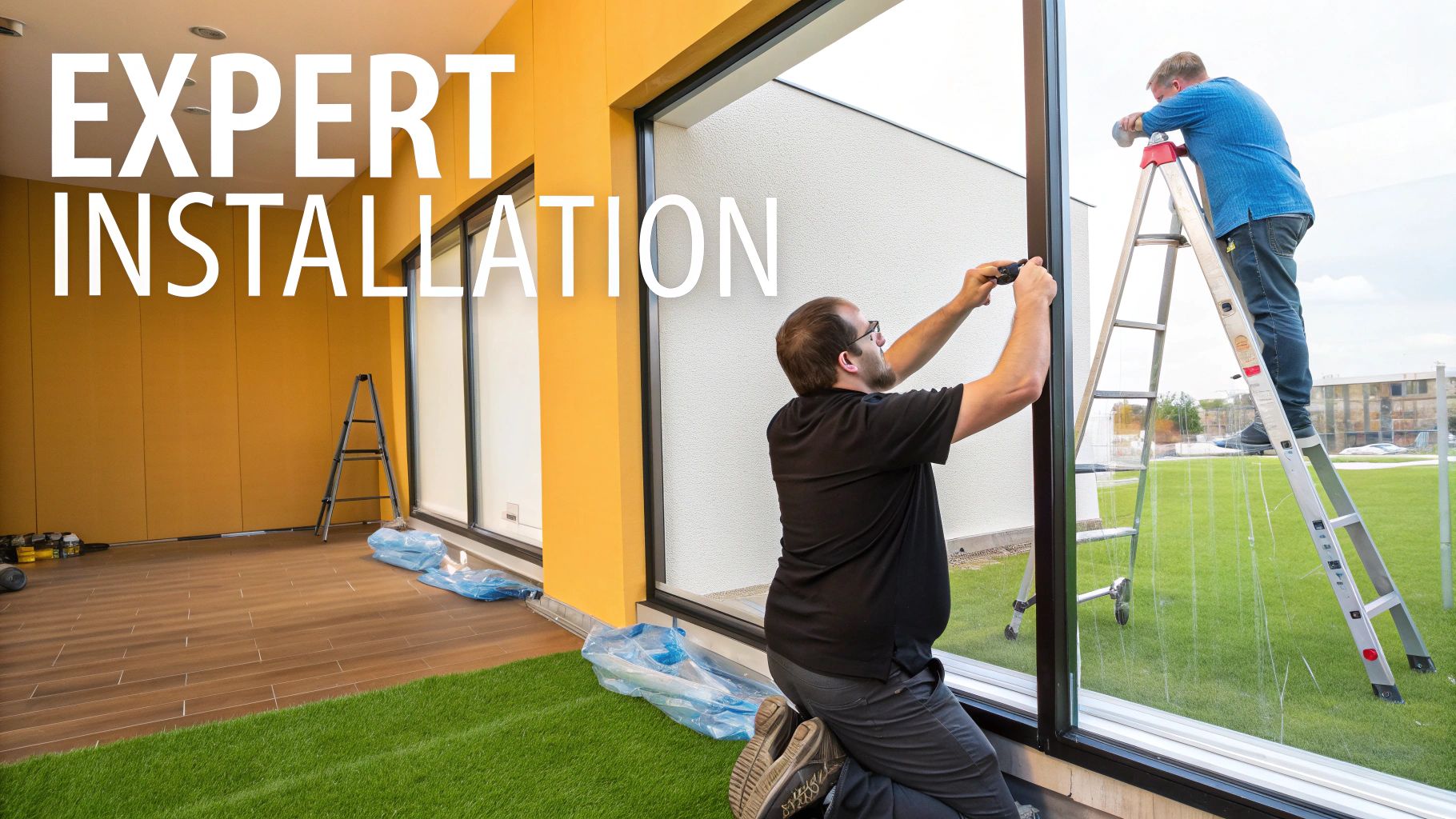
When you invest in the best window film for heat reduction, hiring a pro makes all the difference. A proper installation means your film will hold up through Chattanooga’s chilly winters and blazing summers.
Everything starts with an on-site check. Your installer will size up the windows, noting glass type, frame health and sun exposure.
They’ll dive into the details:
- Glass inspection for chips, scratches and seal integrity
- Measurement of window dimensions and orientation
- Assessment of interior conditions such as humidity and temperature
Surface Preparation And Pitfall Avoidance
A spotless surface is crucial. Any lingering grime or oils can trigger bubbles or peeling later on.
Technicians mix purified water with slip solution, gently lifting away debris before film touches glass.
Taking time on prep ensures adhesion stays rock-solid, even when temperatures swing.
Installation Expectations
For most homes or small businesses, plan on a full day for installation. Rushing it only invites mistakes.
Certified pros arrive armed with squeegees, edge-trim stations and other professional-grade tools, aiming for a flawless fit.
“A precise installation reduces performance losses and maintains clarity,” notes a local expert.
Watch out for these traps:
- Skipping the curing period can lead to edge lift in warm or cold weather
- Using tap water instead of purified water risks mineral deposits
- Rushing measurement steps may result in visible gaps or overlaps
Solar Sentinel covers a 45–60 mile radius around Chattanooga with factory-trained technicians.
You’ll want contractors who offer free consultations, transparent quotes and a clear timeline.
Ask about their recent residential and commercial jobs—seeing past work builds trust.
Always request references and browse before-and-after galleries to verify durability.
| Criteria | Why It Matters |
|---|---|
| Certification | Ensures installers meet manufacturer standards |
| Local Experience | Knowledge of Chattanooga weather extremes |
| Customer Feedback | Verifies satisfaction and service quality |
| Warranty Clarity | Avoids hidden exclusions and eligibility issues |
Use this guide to compare quotes and identify the most qualified providers in your area.
Understanding Warranty Terms
Most high-end films come with lifetime residential warranties and 10–20 year commercial warranties.
Look for transferable coverage and workmanship guarantees against bubbling or discoloration.
Good warranties also promise consistent heat rejection through scorching summers and freeze-proof adhesion in winter.
Key warranty elements include:
- Coverage duration and scope (materials and labor)
- Transferability options for future property owners
- Exclusions such as accidental glass breakage
- Process for filing a claim and expected response times
Pair the right warranty with expert installation and you’ll have lasting peace of mind.
After install, make these checks:
- Check for edge bubbles at window corners
- Perform a daylight test to ensure clarity
- Confirm adhesive bonds adhere uniformly
- Schedule an inspection within six months
Scheduling Your Installation
Lock in your installation before winter settles in—rates are often lower and you’ll stay comfortable on cold mornings.
Solar Sentinel’s quick turnaround can secure an installation date in 2 weeks across Chattanooga.
Booking early steers you clear of the year-end rush and lets technicians prep for seasonal challenges.
Reach out to Solar Sentinel for an on-site evaluation and see how a strong warranty shields your film investment.
Post Installation Care
Give your new film at least one week to cure before attempting that first clean.
Use a mild, ammonia-free cleaner and a soft cloth—harsh chemicals or rough sponges can scratch the surface.
Winters are a good time for an annual inspection, ensuring seals and adhesives stay in top shape.
Consistent upkeep not only protects clarity but extends the performance benefits you rely on all year.
Local Buying Checklist For Chattanooga Area
Choosing the right window film to tackle heat gain starts with a clear plan—from your first call to the final inspection.
This checklist walks Chattanooga homeowners and business leaders through every critical step when comparing residential and commercial tinting options within a 45–60 mile radius.
Use it to lock in winter heat retention and summer cooling savings.
Questions To Ask Local Providers
Before you commit, dive into the details of each film’s performance:
- Film Technology & Metrics: IR rejection, SHGC, VLT, UV blocking, glare reduction, durability
- Recommended Solutions: Do they steer you toward Solar Sentinel’s XPEL nano-ceramic film for high heat control and crystal-clear views?
- Service Radius: Confirm they cover your 45–60 mile area around Chattanooga
Then get these answers:
- What’s the all-in project cost—film, labor, materials?
- Does the quote include a site evaluation plus a follow-up winter performance check?
- Are the material and workmanship warranties transferable?
- Can they share recent case studies or client testimonials for homes and businesses?
Evaluating Quotes And Metrics
Turn quotes into apples-to-apples comparisons.
Here’s a simple table to score each provider’s offer:
| Criteria | Minimum Standard | Preferred XPEL Offer |
|---|---|---|
| IR Rejection | 70% | 93% |
| SHGC | 0.35 | 0.22 |
| Warranty | 10–15 Years | Lifetime Residential |
| Support Radius | Local Vendor | 45–60 Miles |
Next, layer in these financial and performance checks:
- Payback Period & Annual Energy Savings
- Seasonal performance—does it trap winter heat while shedding summer rays?
- Balancing VLT for daylight clarity against glare control
“The right film can lower energy bills by up to 40% in Chattanooga’s climate,” notes a local installation pro.
Shortlist the vendors who meet or beat these benchmarks and confirm:
- Installation timeline—can they finish before winter rates spike?
- Post-install performance checks and seasonal tune-ups
Scheduling Your Installation
Winter can be the smart season to book—rates are often lower and calendars more open.
Solar Sentinel’s factory-certified techs typically lock in dates within 2 weeks in the Chattanooga region. Make sure each site has a full day reserved for prep and curing.
- Book ASAP to beat year-end rush and bad weather
- Verify use of purified water and professional-grade tools
Learn more about effective heat blocking techniques in colder months by checking our guide on how to block heat from windows.
Provider Selection Tips
When comparing portfolios and pricing, look for:
- On-site demos under real lighting conditions
- Responsive communication—quick replies and clear follow-up
- Financing options, military or seasonal discounts
- Value-added services like glare control or privacy films
- Transparent year-round comfort explanations
Choose a team that treats your project as more than just another install.
Final Inspection And Follow Up
Once the film’s on, walk each window to inspect adhesion, clarity, and edge integrity. Then:
- Schedule a six-month review to gauge winter heat retention and savings
- Request adjustments for any edges or bubbles before warranty limits kick in
Quality checks at every stage guarantee up to 40% energy savings and lasting comfort.
By following this roadmap—scope definition, metric comparison, and expert installation—you’ll end up with a window film solution ready for Chattanooga’s winter chills and summer heat.
Window Film Heat Reduction FAQs
Finding the right window film that cuts heat without turning your rooms into iceboxes in Chattanooga’s winters takes a bit of legwork. You’ll want to see how IR rejection, SHGC, VLT and UV blocking stack up against each other. This FAQ covers key questions for both residential and commercial tinting projects in the 45–60 mile radius around Chattanooga.
What features balance winter warmth and glare control?
Opt for nano-ceramic on sun-exposed panes and low-E on cooler sides. High IR rejection with moderate SHGC traps heat, while VLT around 40–50% keeps daylight.
Which cleaning techniques keep film clear and efficient?
Use an ammonia-free cleaner, soft microfiber cloth, and purified water rinse. Wait seven days after install before the first clean.
Could adding tint affect my window warranty?
Certified residential or commercial tinting within the local service area preserves most factory glass warranties. Keep receipts and check compatibility with insulated glass.
How much energy can I really save?
Combined with insulation and a smart thermostat, window film can cut heating and cooling bills by up to 40%. Payback typically occurs within 3–5 years.
Choosing Film For Winter Warmth
When temperatures drop, your priority shifts from heat rejection to retention. XPEL nano-ceramic films shine here, with strong IR rejection and a moderate SHGC that traps morning warmth.
Low-E coatings add another barrier against nighttime heat loss, though you might notice a subtle dimming effect. A smart approach pairs nano-ceramic on south-facing panes with low-E on north-facing glass.
“Optimum winter performance comes from a strategic film mix, not just one technology,” says a local installer.
Recommended Cleaning And Care
Give new film a seven-day settling period before you reach for the spray bottle. After that:
• Use an ammonia-free cleaner and soft microfiber cloth.
• Rinse edges with purified water to avoid mineral spots.
• Gently squeegee away suds—no scrubbing pads or razor blades.
Impact On Existing Warranties
A certified installation within that 45–60 mile service area usually keeps your factory glass warranty intact. Before you tint, check these essentials:
- Confirm film grade compatibility with insulated glass units.
- Keep the installer’s receipt for any future claims.
- Review your warranty’s duration, exclusions, and transfer rules.
Energy Savings And ROI
Window film, paired with proper insulation and a smart thermostat, can cut heating and cooling bills by up to 40%. Most homeowners and businesses see payback in three to five years.
| Film Type | Winter Retention | Estimated Payback |
|---|---|---|
| XPEL Nano-Ceramic | High | 3–5 Years |
| Low-E Hybrid | Moderate | 4–6 Years |
Seasonal checks—especially after frost—help keep films firmly in place and performing at their best.
For expert consultation, precise residential and commercial tinting, and lifetime residential warranties, contact Solar Sentinel.
