

As winter approaches in the Chattanooga area, homeowners and business owners are bracing for higher heating bills. But what if you could significantly reduce your energy costs, enhance indoor comfort, and protect your property’s interior all at once? This guide moves beyond generic advice to provide a strategic roadmap with 10 actionable home energy efficiency tips designed for our local climate. We will explore a comprehensive set of upgrades, from fundamental air sealing to advanced system maintenance, offering a clear path to lower utility bills.
A key focus of this roundup is a powerful, often-overlooked solution: advanced window film for residential and commercial properties. While many associate window tinting with summer heat rejection, modern films offer significant insulating benefits that help retain heat during colder months, making them a year-round asset. You will learn how this technology, alongside other crucial improvements like smart thermostats and proper attic insulation, creates a holistic system for energy savings. Each tip is broken down into practical steps to help you build a more efficient, comfortable, and cost-effective space.
These strategies are designed to work together, creating a cumulative effect on your property’s performance. For those already generating their own power, integrating these efficiency measures is just as crucial. Following a comprehensive solar panel maintenance checklist ensures your system operates at peak capacity, and reducing your home's overall energy consumption maximizes the value of every kilowatt you produce. This guide will provide the details you need to make informed decisions, secure a strong return on your investment, and enjoy a more comfortable property, starting this winter.
1. Winter-Proof Your Windows: How Professional Window Film Installation Blocks Heat Loss
While many associate window tinting with blocking summer heat, it's a critical year-round tool for home energy efficiency, especially during Chattanooga's colder months. Professionally installed low-emissivity (Low-E) window films act as a transparent thermal shield, significantly reducing winter heat loss.
This advanced technology works by reflecting a large portion of your home’s radiant heat back into the room. Instead of escaping through the glass, your furnace-generated warmth is retained, helping to maintain a consistent and comfortable indoor temperature. This process eases the strain on your HVAC system, leading to lower energy bills and a cozier living space.
Unlike temporary plastic kits that obstruct your view, high-quality nano-ceramic films offer a permanent, optically clear solution. They upgrade the insulating performance of your existing windows without altering their appearance, making them a powerful and discreet energy-saving investment. For many in the Chattanooga market, this technology is a new but highly effective way to improve both residential homes and commercial buildings.
Real-World Impact in the Chattanooga Area
The benefits of winter-focused window film are tangible for both homeowners and businesses within a 45-60 mile radius of Chattanooga, TN:
- Residential Savings: A local home can see its furnace runtime decrease by 15-20% after installing Low-E film, particularly on large, north-facing windows that receive little direct winter sunlight. This direct reduction in energy use leads to lower monthly heating bills.
- Commercial Comfort: An office can achieve more stable interior temperatures, drastically reducing employee complaints about cold spots and drafts near windows, which improves productivity and morale during the winter season.
- Business Operations: A scenic restaurant can preserve its beautiful views for patrons while simultaneously preventing heat from escaping, lowering its winter operational costs without sacrificing the customer experience.
Key Insight: The U.S. Department of Energy recognizes that heat loss through windows can account for up to 30% of a home's heating energy costs. Low-E films directly combat this inefficiency.
Actionable Tips for Implementation
To maximize your winter savings, consider the following:
- Specify Your Needs: When consulting with a professional, explicitly request Low-E films designed for superior winter heating performance.
- Combine and Conquer: For the ultimate window seal, pair window film installation with new weatherstripping and caulking to eliminate drafts.
- Prioritize Problem Areas: Focus your investment on windows that cause the most heat loss: single-pane, older double-pane, and large picture windows.
- Expert Consultation is Key: Work with a specialist to choose the right film for your specific residential or commercial property and goals. You can explore different options and learn more about the best window film for heat reduction and retention to make an informed decision.
- Year-Round Protection: Remember that these films also block over 99% of UV rays, protecting your floors, furniture, and artwork from fading even during the winter.
2. Smart Thermostat Installation and Programming
Moving beyond manual thermostats is one of the most impactful home energy efficiency tips for immediate savings. Smart thermostats leverage Wi-Fi, learning algorithms, and real-time data to automate your heating and cooling schedules, eliminating the waste associated with static temperature settings. These devices learn your daily routines and adjust accordingly, ensuring comfort when you're home and savings when you're away.
By connecting to weather forecasts and your smartphone's location, a smart thermostat can pre-cool or pre-heat your home before you arrive and ease off when you leave. This intelligent automation prevents your HVAC system from running unnecessarily, directly reducing energy consumption and providing valuable insights into your usage patterns through detailed reports.
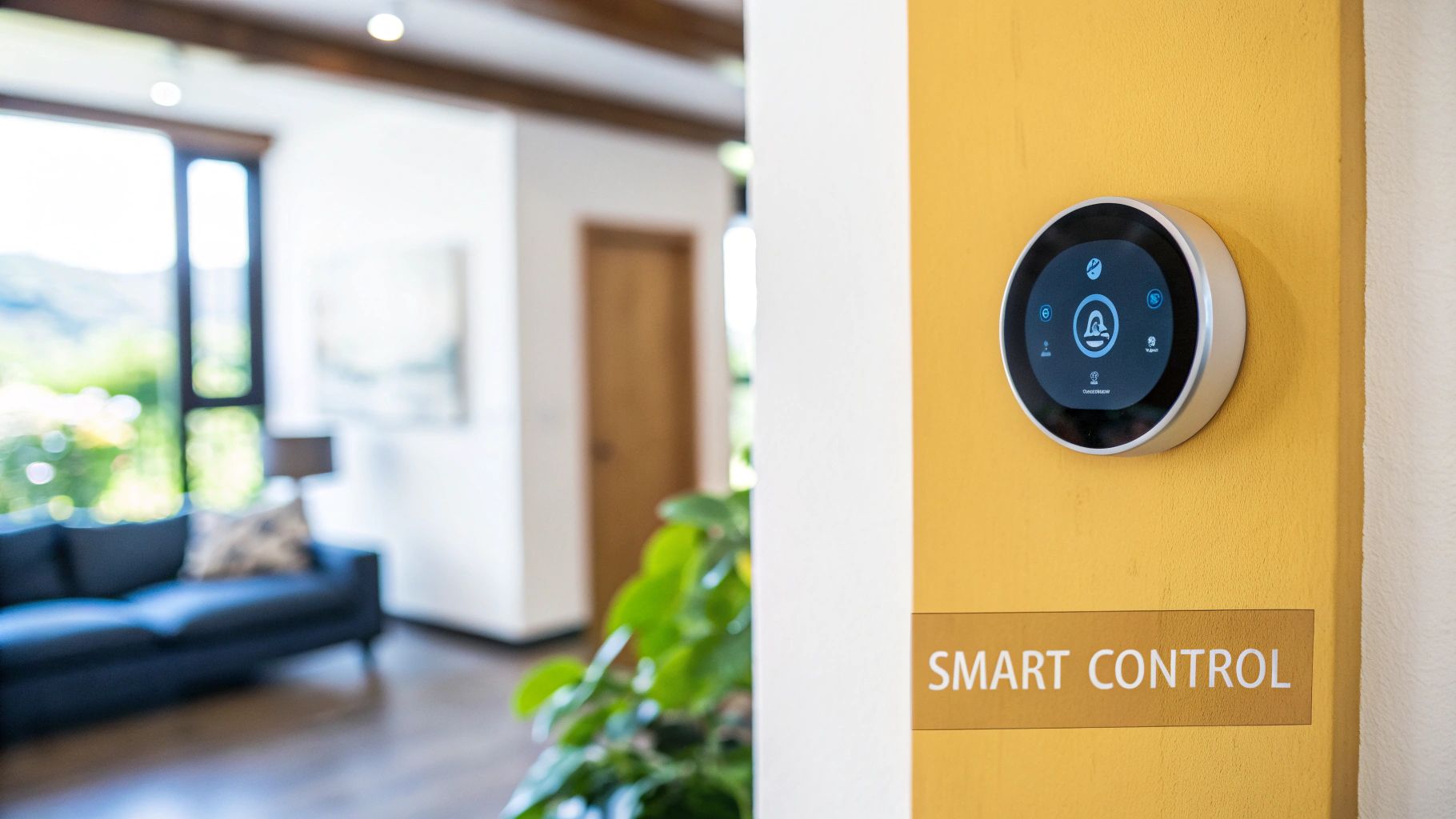
Unlike traditional programmable models that require constant manual input, smart thermostats from brands like Nest and Ecobee offer a “set it and forget it” experience. They optimize your HVAC performance in the background, making them a cornerstone of a modern, energy-efficient home.
Real-World Impact in the Chattanooga Area
The efficiency gains from a smart thermostat are significant for a wide range of properties:
- Residential Savings: A Chattanooga homeowner can typically reduce annual heating and cooling costs by $150-$300 simply by installing and properly programming a smart thermostat.
- Commercial Efficiency: An office building in Tennessee can program its thermostat to enter a deep energy-saving mode during weekends and holidays, ensuring the HVAC system only operates at full capacity during business hours.
- Special-Use Buildings: Local churches can dramatically cut energy waste by automating climate control to align perfectly with service times and weekly events, preventing the heating or cooling of an empty building.
Key Insight: According to ENERGY STAR, homes with smart thermostats can save an average of 8% on heating and cooling costs, which translates to about $50 per year in savings on energy bills.
Actionable Tips for Implementation
To get the most out of your smart thermostat, follow these best practices:
- Set Wider Temperature Bands: Program a larger difference between your "home" and "away" temperatures to maximize savings when the house is empty.
- Use Geofencing Features: Enable the geofencing option to let the thermostat use your phone's location to automatically switch to away mode when the last person leaves.
- Review Energy Reports: Check your weekly and monthly energy usage reports to identify patterns and find new opportunities to save.
- Combine with Window Film: The most powerful strategy is to pair a smart thermostat with professional window film installation. The film reduces the HVAC system's workload, allowing the thermostat to run shorter, less frequent cycles to maintain your desired temperature.
- Check for Utility Rebates: Many local utilities, including those in the Chattanooga area, offer rebates or incentives for installing qualifying ENERGY STAR certified smart thermostats.
3. Weatherstripping and Caulking Air Leaks
Often overlooked, the tiny gaps and cracks around windows, doors, and utility penetrations are significant sources of energy loss. Weatherstripping and caulking are foundational home energy efficiency tips that directly address these air leaks, creating a more airtight and comfortable indoor environment. By sealing these openings, you prevent conditioned air from escaping and outside air from infiltrating your home.
This straightforward process involves applying flexible sealing materials to block drafts and reduce the workload on your HVAC system. Caulking is used for stationary components like window frames and siding joints, while weatherstripping seals the moving parts of doors and windows. When implemented correctly, these measures are among the most cost-effective ways to immediately improve energy savings and comfort.
Combining these sealing techniques with other upgrades creates a powerful synergy. For instance, sealing the frame around a window before installing professional window film ensures you are maximizing the thermal performance of the entire opening, not just the glass pane itself.
Real-World Impact in the Chattanooga Area
The benefits of diligent air sealing are evident across local properties:
- Residential Savings: Older homes in the Chattanooga area can reduce draft complaints and lower heating and cooling bills by up to 15% simply by thoroughly caulking and weatherstripping.
- Commercial Comfort: Retail establishments can maintain more consistent indoor temperatures, improving customer and employee comfort near entrances and large display windows.
- Enhanced Upgrades: A Tennessee homeowner who combines new weatherstripping with a Low-E window film installation creates a comprehensive thermal barrier, achieving greater energy savings than either upgrade could provide alone.
Key Insight: According to the U.S. Department of Energy, effective air sealing can save homeowners an average of 10-20% on their annual heating and cooling costs, showcasing its high return on investment.
Actionable Tips for Implementation
To properly seal your home's thermal envelope, follow these steps:
- Identify Priority Leaks: Conduct a professional energy audit or a simple DIY "blower door" test with a fan to pinpoint the most significant air leak locations.
- Seal Before You Upgrade: Always complete caulking and weatherstripping around window frames before installing new window film to achieve maximum thermal benefit.
- Choose Durable Materials: Use high-quality silicone or polyurethane caulk for exterior gaps, as they offer superior flexibility and longevity against Tennessee’s weather.
- Seal Hidden Gaps: Don't forget to seal around less obvious spots like electrical outlets, plumbing pipes, and attic hatches. For a more robust approach to preventing energy loss, exploring methods like sealing ductwork effectively with mastic sealant can address hidden inefficiencies in your HVAC system.
- Annual Maintenance: Inspect your seals each year, especially before winter, and reapply caulk or replace weatherstripping as needed to maintain performance.
4. Attic Insulation and Ventilation Optimization
The roof is one of the largest sources of heat transfer in any building. Optimizing your attic's insulation and ventilation system is a foundational step in achieving superior home energy efficiency, preventing extreme heat gain in the summer and critical heat loss during Chattanooga's winters. A well-insulated attic acts as a thermal cap, while proper ventilation manages moisture and temperature.
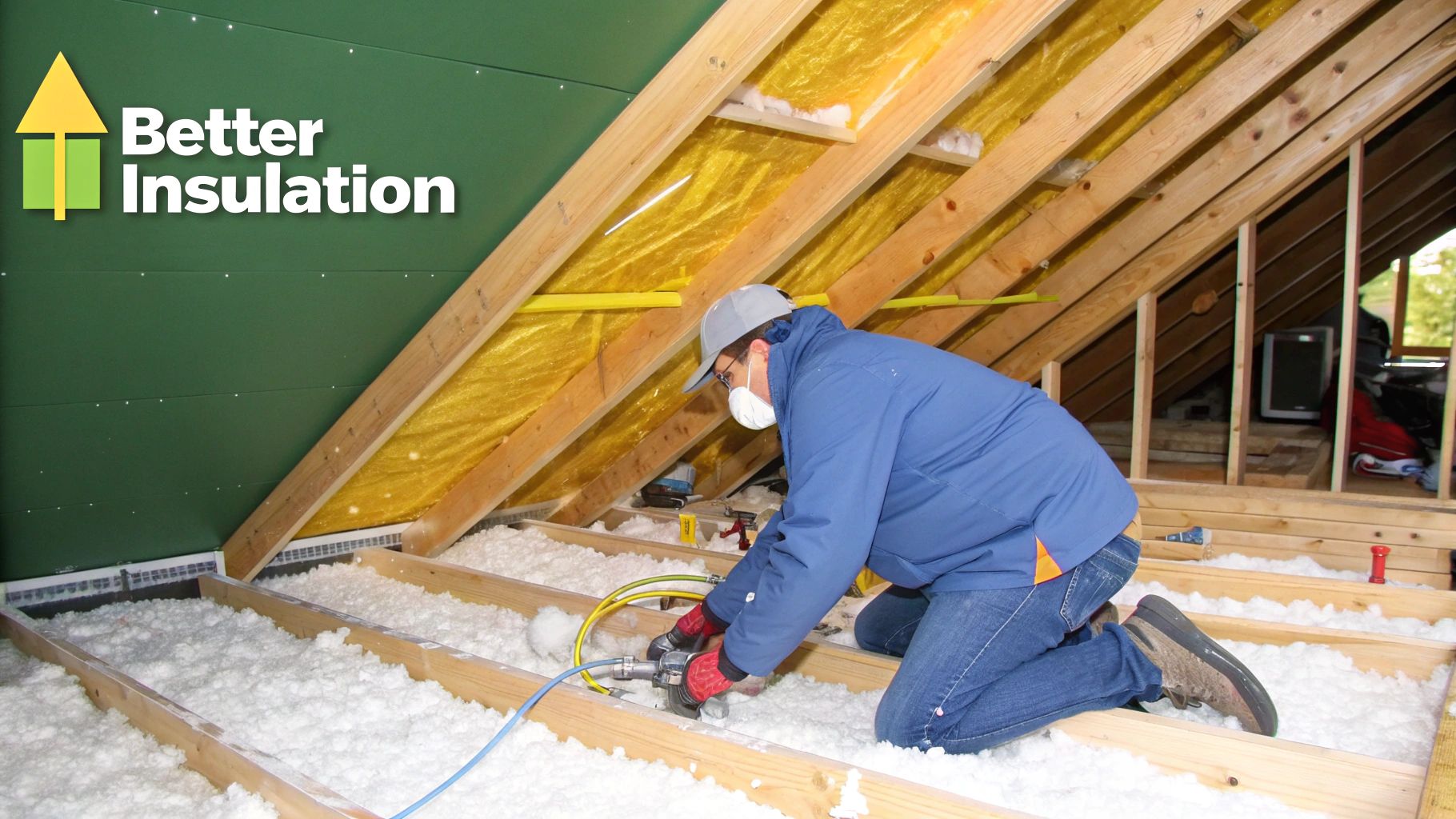
Most homes, especially older ones, are significantly under-insulated according to modern standards. Upgrading your attic insulation to the recommended R-value for our climate zone is a high-impact, permanent improvement. This enhancement works in tandem with other measures like window film, creating a comprehensive thermal envelope that keeps conditioned air inside and utility bills down.
By slowing the movement of heat, proper insulation reduces the workload on your HVAC system year-round. In winter, it keeps the warm air from rising and escaping; in summer, it blocks the intense solar heat radiating from the roof from penetrating your living space.
Real-World Impact in the Chattanooga Area
Investing in your attic provides immediate and noticeable benefits for local properties:
- Residential Cooling: Chattanooga homes have seen attic temperatures drop by 20-30°F during summer peaks after an insulation upgrade, directly lowering air conditioning costs.
- Winter Protection: Older homes in the Tennessee Valley can eliminate destructive ice dams, which form when heat escaping through the attic melts snow on the roof, by combining proper insulation with effective ventilation.
- Combined Efficiency: When homeowners pair a full attic insulation upgrade with professional Low-E window film installation, they can achieve a total reduction in heating and cooling energy usage of 30-40%.
Key Insight: According to ENERGY STAR, adding insulation to an under-insulated attic is one of the most cost-effective home energy efficiency tips, often providing a significant return on investment through year-over-year savings.
Actionable Tips for Implementation
To properly upgrade your attic's performance, follow these steps:
- Get an Audit: Have a professional inspect your attic to determine the current R-value and identify air leaks or ventilation issues.
- Seal First, Insulate Second: Before adding insulation, meticulously seal all air leaks around pipes, vents, chimneys, and electrical wiring to prevent conditioned air from escaping.
- Ensure Clear Airflow: Check that soffit and ridge vents are completely clear of debris or old insulation to allow for proper air circulation, which prevents moisture buildup.
- Choose the Right Material: Consider blown-in cellulose or fiberglass for existing homes, as it effectively fills gaps and conforms around obstructions for a seamless thermal barrier.
- Verify Local Codes: Confirm the U.S. Department of Energy's recommended R-value for the Chattanooga (Zone 3-4) area to ensure your upgrade meets efficiency standards.
- Create a Complete System: Treat attic insulation as part of a larger strategy. Combining it with high-performance window film addresses both conductive heat loss (attic) and radiant heat loss (windows) for maximum efficiency.
5. LED Lighting System Conversion: The Quickest ROI in Home Energy Efficiency
Swapping outdated incandescent or CFL bulbs for modern Light Emitting Diode (LED) technology is one of the most impactful and immediate home energy efficiency tips a property owner can implement. LEDs are semiconductor devices that produce light with minimal heat, making them vastly more efficient than traditional bulbs that waste most of their energy as thermal output. This simple upgrade can reduce your lighting energy consumption by an astonishing 75-80%.

The efficiency of LED technology provides an exceptionally fast payback period, often within a year or two. Unlike other home upgrades that require significant investment and time, converting your lighting is a straightforward process that yields immediate savings. This makes it a foundational step in any energy-saving strategy, perfectly complementing other measures like window film installation to create a holistically efficient environment.
Real-World Impact in the Chattanooga Area
The transition to LED lighting delivers measurable benefits across both residential and commercial sectors:
- Residential Savings: A typical Chattanooga home can slash its monthly lighting costs from $20 down to just $4 or $5 by making a full switch to LED bulbs.
- Commercial Comfort: A retail store in the area can combine LED lighting with professional window film to create an inviting, brightly lit space that doesn't suffer from excessive heat gain or high energy bills.
- Business Operations: A local church or office building can cut its lighting energy expenses by hundreds or even thousands of dollars each month, freeing up its operational budget for other priorities.
Key Insight: According to the U.S. Department of Energy, widespread use of LEDs could save about 348 terawatt-hours of electricity by 2027. This is the equivalent annual electrical output of 44 large electric power plants.
Actionable Tips for Implementation
To get the most out of your lighting upgrade, follow these guidelines:
- Start Strategically: Begin by replacing bulbs in your most frequently used fixtures, such as those in kitchens, living rooms, and primary bedrooms, to see savings faster.
- Choose the Right Color: Select a 2700K color temperature for a warm, cozy light similar to incandescents. Use 3000K or 4000K for brighter, more neutral light in kitchens, bathrooms, and commercial task areas.
- Check for Dimmer Compatibility: If you have dimmer switches, ensure you purchase bulbs explicitly marked as "dimmable" to avoid flickering or malfunction.
- Combine with Window Film: Pair your new LEDs with UV-blocking window film. This allows you to open blinds and use more natural light during the day without worrying about heat gain or furniture fading, further reducing your lighting needs.
6. Energy-Efficient Door Replacement and Sealing: A Gateway to Savings
Just like windows, your exterior doors are a major source of heat transfer, often accounting for significant energy loss. A poorly sealed or uninsulated door can create drafts and force your HVAC system to work overtime. Upgrading to a modern, energy-efficient door with superior sealing creates a robust thermal barrier, directly impacting your home's comfort and utility costs.
These advanced doors feature insulated cores, high-performance frames, and integrated weatherstripping systems that prevent air leakage. Many also include glass panels, or sidelights, which can be optimized with low-emissivity coatings. When these high-tech doors are paired with professional window film installation on their glass components, they become a high-performance part of your home’s thermal envelope.
By replacing an old, warped door, you eliminate a primary source of drafts and heat loss. The combination of an insulated core and professionally applied film on any glass elements ensures you get light and views without sacrificing energy efficiency, making it one of the most effective home energy efficiency tips.
Real-World Impact in the Chattanooga Area
Replacing and sealing exterior doors provides clear benefits for local properties:
- Residential Comfort: A Chattanooga home can eliminate persistent draft complaints and cold spots near entryways, particularly during winter, after replacing an older door with a modern, insulated model.
- Commercial Performance: A local business can improve its overall energy score and maintain better temperature control near high-traffic customer entries by upgrading to commercial-grade, energy-efficient doors.
- Comprehensive Thermal Control: A homeowner combining a new insulated door with Low-E window film on its glass panels can achieve a fully optimized entryway that retains heat in winter and rejects it in summer.
Key Insight: According to ENERGY STAR, replacing an old exterior door with a new ENERGY STAR certified model can result in meaningful energy savings while improving comfort and curb appeal.
Actionable Tips for Implementation
To maximize the efficiency of your home’s entryways, consider these steps:
- Check the Seal: Ensure any new door has a multi-point locking system and high-quality weatherstripping for the tightest possible seal against the elements.
- Apply Window Film to Door Glass: Treat any glass panels, sidelights, or transoms with professional window film to enhance thermal performance and block UV rays.
- Prioritize Problem Doors: Focus first on doors that face harsh sun (south and west) or those that are noticeably drafty or damaged.
- Insist on Professional Installation: Proper installation is critical. Make sure your contractor uses insulated sills and headers to prevent thermal bridging around the frame.
- Combine with a Window Strategy: For the best results, coordinate your door upgrade with a comprehensive window film strategy throughout your home to create a consistent thermal barrier.
7. Window Coverings with Thermal Properties (Cellular Shades and Thermal Curtains)
While high-performance window film provides an essential baseline of thermal defense, layering it with specialized window coverings creates the ultimate energy-saving system. Thermal options like cellular shades and insulated curtains add a powerful second barrier, trapping air and dramatically slowing heat transfer, which is especially crucial for managing temperature extremes in the Chattanooga area.
These coverings work by creating insulating air pockets. Cellular shades, often called honeycomb shades, are designed with a unique cell structure that traps air, preventing heat from entering in the summer and escaping during winter nights. Thermal curtains feature a multi-layered design, including a dense core and a reflective backing, to block both radiant heat and convective heat loss, offering a robust solution for enhanced comfort.
When combined with professionally installed window film, these coverings amplify the energy efficiency of your windows. The film works 24/7 to reflect radiant heat and block UV rays, while the shades or curtains can be deployed strategically to maximize insulation during the hottest parts of the day or the coldest nights. This dual-barrier approach is a cornerstone of modern home energy efficiency tips.
Real-World Impact in the Chattanooga Area
The synergistic effect of film and thermal coverings is highly effective for local properties:
- Residential Savings: A Hixson home combining Low-E window film with cellular shades can reduce nighttime heat loss through its windows by over 50% in the winter, significantly cutting furnace usage.
- Commercial Comfort: A downtown Chattanooga office can deploy motorized thermal shades on its west-facing windows to automatically block the intense late-afternoon sun, keeping the workspace comfortable and productive without overtaxing the AC system.
- Business Operations: A boutique retail store on the North Shore can use stylish thermal curtains behind its large display windows after hours, protecting merchandise from temperature fluctuations and reducing overnight heating costs.
Key Insight: According to the U.S. Department of Energy, using insulating cellular shades on a double-pane window can reduce heat loss by 40% or more, which translates directly into lower heating bills.
Actionable Tips for Implementation
To maximize the benefits of this layered approach, follow these steps:
- Prioritize a Film Foundation: Install a high-quality window film first to provide continuous, year-round radiant heat and UV protection.
- Layer for Maximum Effect: Install cellular shades or thermal curtains over your filmed windows. In winter, close them at night to trap heat; in summer, close them during peak sun hours to block heat gain.
- Choose Light Colors: Opt for window coverings with a light-colored exterior-facing side to reflect sunlight and a darker interior side to absorb and radiate heat back into the room during winter.
- Ensure a Snug Fit: To be effective, shades and curtains must be installed as close to the window pane as possible to create a sealed air gap.
- Automate for Consistency: Consider motorized shades programmed to close during specific times of the day. This removes guesswork and ensures consistent energy savings. You can discover more about how to block heat from windows with these combined strategies.
8. HVAC System Maintenance and Efficiency Upgrades
Your heating, ventilation, and air conditioning (HVAC) system is the heart of your home's energy consumption. Regular maintenance and strategic upgrades ensure it operates at peak efficiency, but combining these efforts with other improvements like window film can unlock a new level of savings and performance.
An efficient HVAC system doesn’t have to work as hard or run as long to maintain a comfortable temperature. Simple actions like changing filters, sealing leaky ducts, and scheduling professional tune-ups keep the system running smoothly. When paired with technologies that reduce the initial heating or cooling load, like window film, the HVAC system’s job becomes significantly easier, directly lowering energy usage and extending the unit's lifespan.
This comprehensive approach allows you to "right-size" your equipment. By first reducing the thermal load on your home with window film, you may find that a smaller, less expensive, and more efficient HVAC unit is all you need when it comes time for a replacement, providing savings on both the initial purchase and long-term operating costs.
Real-World Impact in the Chattanooga Area
Optimizing your HVAC system in tandem with other upgrades yields significant returns:
- Residential Savings: Chattanooga homes that combine professional window film installation with regular HVAC maintenance can reduce their system's workload by 30-40%, leading to substantial savings on monthly utility bills.
- Commercial Cost Reduction: Local businesses can lower annual HVAC maintenance and repair costs by over $1,000 by ensuring systems are not overworked due to heat gain or loss through untreated windows.
- Smarter Upgrades: After installing solar control window film, a homeowner in the area can confidently downsize to a smaller, more efficient AC unit, saving on upfront replacement costs and future energy bills.
Key Insight: According to ENERGY STAR, a dirty filter can increase your air conditioner's energy consumption by up to 15%. Regular maintenance is one of the most cost-effective home energy efficiency tips you can implement.
Actionable Tips for Implementation
To maximize your HVAC system's performance and savings, follow these steps:
- Film First, Then Replace: Install high-performance window film before replacing an old HVAC unit. This allows your contractor to perform an accurate load calculation and install a properly sized, more efficient system.
- Schedule Seasonal Tune-Ups: Have a professional service your HVAC system before summer’s heat and winter’s cold set in to ensure it’s ready for peak demand.
- Check Filters Religiously: Inspect and replace your HVAC filters monthly during heavy use seasons (summer and winter) to maintain optimal airflow and efficiency.
- Seal Your Ductwork: Leaky ducts can account for more than 30% of energy loss. Have your ductwork professionally tested and sealed to ensure conditioned air reaches its destination.
- Combine and Maximize: The most powerful strategy is to pair HVAC efficiency improvements with window film. This synergy creates a highly efficient thermal envelope, dramatically cutting costs. Find out more about how to lower your electric bill in the summer with this combined approach.
9. Water Heating System Upgrades and Hot Water Pipe Insulation
While windows are a major source of energy loss, water heating is another significant energy consumer, often accounting for 15-20% of a home's total energy use. Upgrading your water heater and insulating pipes are critical home energy efficiency tips that offer substantial savings by reducing both active heating costs and standby heat loss.
Modern high-efficiency systems, like tankless and heat pump water heaters, operate far more efficiently than traditional tank models. Insulating the first several feet of hot water pipes leaving the heater prevents heat from dissipating as it travels to your faucet. This means you get hot water faster and waste less energy and water in the process.
These upgrades work independently of window treatments but contribute to a comprehensive whole-home energy management strategy. By tackling both heat loss through glass and inefficient water heating, you can achieve a higher level of overall efficiency and comfort.
Real-World Impact in the Chattanooga Area
The savings from optimizing your water heating system are significant for Chattanooga properties:
- Residential Savings: A local homeowner can reduce their water heating energy costs by $20-$40 per month just by insulating accessible hot water pipes, a low-cost DIY project with a very quick payback.
- Commercial Efficiency: A Chattanooga restaurant can install a tankless system to meet on-demand needs, drastically cutting the energy waste associated with keeping a large tank of water hot 24/7.
- Multi-Unit Buildings: A property manager can replace an old central boiler with modern heat pump water heaters, significantly lowering operational costs and providing more reliable hot water for tenants.
Key Insight: According to the U.S. Department of Energy, simply insulating your hot water pipes can raise water temperature by 2°F–4°F, allowing you to lower your water heater’s temperature setting and save energy.
Actionable Tips for Implementation
To maximize your savings on water heating, consider the following:
- Start with Insulation: Insulating the first three to six feet of hot water pipes from your water heater is an inexpensive, high-impact first step.
- Evaluate Your Needs: Before replacing your unit, assess your household’s actual hot water demand. A large family may benefit from a heat pump model, while a smaller home may be perfect for a tankless system.
- Choose the Right Tech: Heat pump water heaters are ideal for Chattanooga’s moderate climate, while tankless systems excel at providing endless hot water on demand.
- Lower the Thermostat: Set your water heater to 120°F. This is sufficient for most household needs and is safer than higher temperatures, all while saving energy.
- Combine for Total Efficiency: Pair a water heater upgrade with other projects, like installing Low-E window film, to create a truly efficient home that minimizes energy waste from all major sources.
10. Professional Energy Audit and Comprehensive Efficiency Plan
Instead of guessing where your home is losing energy, a professional energy audit provides a scientific roadmap for efficiency. Certified auditors use advanced tools like blower door tests and infrared thermal imaging to pinpoint specific weaknesses, from hidden air leaks to insufficient insulation and underperforming windows, offering a prioritized plan for improvement.
This diagnostic approach moves beyond generic advice, creating a customized strategy based on your home’s unique construction and performance. The audit reveals which upgrades will deliver the highest return on investment, ensuring your money is spent effectively. For many Chattanooga homes, this process highlights that inefficient windows are a primary source of energy loss, making professional window film a top-priority, high-impact solution.
An audit provides data-driven validation for your energy-saving investments. It might reveal, for instance, that while your insulation is adequate, your large single-pane windows are the biggest culprits for energy waste, making a solution like Low-E window film the most cost-effective first step.
Real-World Impact in the Chattanooga Area
An energy audit provides a clear path to significant savings and comfort improvements:
- Residential Prioritization: A Hixson homeowner’s audit could use thermal imaging to show that south-facing windows are a major source of winter heat loss, justifying Low-E window film as a higher-priority investment than a more expensive attic insulation upgrade.
- Commercial Savings: An office building in downtown Chattanooga could use an audit to identify over $10,000 in potential annual energy savings, with a significant portion attributed to treating extensive glass with performance window film.
- Targeted Upgrades: A family in Ooltewah can use their audit report to secure financing for a package of upgrades, combining window film with air sealing and duct improvements for maximum impact.
Key Insight: According to the U.S. Department of Energy, a professional home energy audit can help homeowners save anywhere from 5% to 30% on their annual energy bills by identifying and prioritizing the most effective upgrades.
Actionable Tips for Implementation
To get the most from a professional audit, follow these steps:
- Hire a Certified Pro: Look for auditors with credentials from RESNET (Residential Energy Services Network) or BPI (Building Performance Institute) to ensure a high-quality assessment.
- Request Specifics: Ask for a detailed written report that includes thermal imaging photos, a blower door test score, and prioritized recommendations with estimated costs and payback periods.
- Share Your Findings: Provide your audit results to a window film specialist. This data helps them recommend the perfect film to address the specific inefficiencies identified around your windows.
- Audit Before You Act: Schedule the audit before beginning major projects. This ensures you invest in the upgrades that will make the biggest difference first.
- Implement Strategically: Use the audit to tackle the lowest-cost, highest-impact measures first, which often include air sealing, adding insulation, and installing energy-efficient window film.
10-Point Home Energy Efficiency Comparison
| Measure | Implementation Complexity 🔄 | Resource Requirements ⚡ | Expected Outcomes ⭐📊 | Ideal Use Cases 💡 | Key Advantages ⭐ |
|---|---|---|---|---|---|
| Window Film Installation for Solar Heat Rejection | 🔄🔄🔄🔄 — Professional install recommended; moderate prep | $$; professional labor; few hours per window; warranty available | ⭐⭐⭐⭐⭐ — Up to 40% cooling cost reduction; immediate glare/UV reduction; ROI 3–7 yrs | West/south-facing glazing; hot climates; commercial storefronts | Blocks solar heat & UV while preserving light; immediate comfort; high ROI |
| Smart Thermostat Installation and Programming | 🔄🔄🔄 — Moderate setup and learning period | $200–$400; Wi‑Fi required; occasional professional wiring | ⭐⭐⭐⭐ — 10–23% HVAC energy reduction; remote control & analytics | Occupied homes, variable schedules, multi‑zone HVAC | Adaptive schedules; remote access; energy reports; eligible rebates |
| Weatherstripping and Caulking Air Leaks | 🔄 — Low complexity; DIY friendly | $50–$200; basic tools; quick install | ⭐⭐⭐ — 5–15% heating/cooling savings; immediate effect; ROI <1 season | Older homes, drafty windows/doors, first‑cost measure | Very low cost; fast payback; reduces drafts, moisture, noise |
| Attic Insulation and Ventilation Optimization | 🔄🔄🔄🔄 — High complexity; professional recommended | $1,000–$2,500; contractor work; long‑lasting materials | ⭐⭐⭐⭐ — 10–20% HVAC savings; durable 25–80 yrs; ROI 5–10 yrs | Under‑insulated attics, extreme climates, homeowners seeking long‑term savings | High impact on heating/cooling; extends roof life; rebate eligible |
| LED Lighting System Conversion | 🔄🔄 — Low complexity; mostly DIY | Low per bulb; quick swap; potential utility rebates | ⭐⭐⭐⭐ — 75–80% lighting energy cut; total home 5–15% savings; payback 6–12 mo | High‑use fixtures, commercial lighting, retrofit projects | Fastest payback; long lifespan; immediate energy & heat reduction |
| Energy‑Efficient Door Replacement and Sealing | 🔄🔄🔄 — Medium to high complexity; pro install typical | $500–$2,000+ per door; possible frame work; some disruption | ⭐⭐⭐ — 5–10% whole‑home savings; doors can cut 25–35% door‑area losses; ROI 8–12 yrs | Drafty exterior doors, entryways with glazing, curb‑appeal upgrades | Improves comfort, security, noise reduction; raises home value |
| Window Coverings with Thermal Properties (Cellular Shades, Curtains) | 🔄🔄 — Low to moderate complexity; motorized increases complexity | $–$$ depending on type; motorization adds cost | ⭐⭐⭐ — 25–50% added insulating value; 10–25% extra savings with window film | Bedrooms, living areas, night‑time heat‑loss prevention | Flexible occupant control; supplementary insulation; privacy/light management |
| HVAC System Maintenance and Efficiency Upgrades | 🔄🔄🔄 — Regular professional service; upgrades complex | $100–$300/yr maintenance; replacements $3,500–$7,500+ | ⭐⭐⭐⭐ — 10–25% efficiency improvement; extends equipment life; reduces failures | Aging systems, post‑retrofit right‑sizing, commercial HVAC fleets | Prevents breakdowns; maintains warranties; improves IAQ and efficiency |
| Water Heating System Upgrades & Hot Water Pipe Insulation | 🔄🔄🔄 — Equipment upgrades need pro install; pipe wrap is simple | Pipe insulation: low cost; tankless/heat pump: $1,500–$3,000+ | ⭐⭐⭐ — 10–20% water‑heating energy reduction; pipe insulation immediate 5–10% | Homes with high hot water use; older tanks; multifamily units | Major gains from heat pump/tankless; pipe insulation quick payback |
| Professional Energy Audit & Comprehensive Efficiency Plan | 🔄🔄🔄 — Requires certified auditor and testing | $300–$600; 4–6 hrs; blower door/thermal imaging | ⭐⭐⭐⭐ — Identifies 20–40% total reduction potential; prioritizes ROI | Homeowners planning multiple upgrades or unsure where to start | Targets highest‑impact measures; prevents wasted spend; supports rebate applications |
Take Control of Your Energy Bills This Winter and Beyond
You now have a powerful, actionable roadmap filled with some of the best home energy efficiency tips available. Moving from high energy consumption to a state of optimized efficiency is not about finding a single magic bullet. Instead, it's about building a layered, strategic defense against wasted energy and a proactive plan for year-round comfort. This comprehensive approach transforms your property from a passive structure into an active partner in reducing your carbon footprint and lowering your monthly utility bills.
We've explored a wide range of solutions, from the foundational importance of sealing air leaks with weatherstripping and caulk to the modern intelligence of a smart thermostat. Each tip you implement, whether it's upgrading to LED lighting, insulating your attic, or scheduling regular HVAC maintenance, adds another layer of protection and savings. Think of these actions as a synergistic system: proper insulation makes your HVAC system work less, and a well-sealed home ensures that the conditioned air you've paid to heat or cool stays inside where it belongs.
From Individual Tips to a Holistic Strategy
The journey to energy mastery begins with understanding where your home or commercial building is most vulnerable. For many properties in the Chattanooga area, windows represent the single largest source of energy loss. They are the thermal weak points that can undermine all your other efficiency efforts. This is precisely why addressing them is not just one item on a list, but a cornerstone of a successful energy-saving strategy.
While thermal curtains and shades offer seasonal benefits, high-performance window film provides a permanent, year-round solution. Modern nano-ceramic films work tirelessly 24/7, not only rejecting solar heat in the sweltering summer months but also helping to retain interior heat during the chilly winter. This insulating effect reduces the strain on your furnace, leading to tangible savings when you need them most.
Key Takeaway: A truly energy-efficient building is a complete system. While each tip on this list provides value, their benefits are multiplied when implemented together. Addressing your windows, the primary source of thermal transfer, enhances the effectiveness of every other improvement you make.
Your Actionable Next Steps for Lasting Savings
Creating a more efficient space is an investment in your property's value, your personal comfort, and your financial future. The best approach is to start with a clear plan. Review this list and identify the "low-hanging fruit" you can tackle this weekend, such as applying new weatherstripping or insulating your hot water pipes.
Next, prioritize the larger projects that offer the most significant return on investment. A professional energy audit can provide a customized blueprint, but for a majority of homeowners and business owners, the data points directly to the windows. Upgrading your glass with a professional window film installation is one of the most cost-effective and impactful home energy efficiency tips you can implement. It addresses heat loss in winter, heat gain in summer, and damaging UV radiation all at once, providing a multifaceted return that you'll feel in your wallet and in the comfort of your rooms.
Don't let another season of unpredictable energy costs dictate your budget. By taking decisive action now, you can create a more comfortable, sustainable, and cost-effective environment for years to come.
Ready to make the single most impactful upgrade to your property's energy efficiency? The local experts at Solar Sentinel Window Films & Tinting specialize in residential and commercial installations within a 45-60 mile radius of Chattanooga, providing a powerful, year-round barrier against energy loss. Visit Solar Sentinel Window Films & Tinting to schedule a consultation and discover how the right film can dramatically reduce your heating and cooling costs this winter and beyond.
